Ecommerce SEO: 6 Common Website Mistakes – And How to Avoid Them
In the world of e-commerce, having a strong online presence is crucial for success. One of the most effective ways to improve your visibility and drive organic traffic to your e-commerce website is through search engine optimization (SEO). However, many e-commerce websites make common mistakes that hinder their SEO efforts and prevent them from reaching their full potential. In this article, we will explore six common website mistakes in e-commerce SEO and provide actionable tips on how to avoid them.
Importance of SEO for E-commerce
Before we delve into the common mistakes, it’s essential to understand the importance of SEO for e-commerce. First and foremost, if you don’t fully understand SEO and all its different components, I recommend checking out this article to learn more about it.
With millions of websites competing for attention in search engine results, having a solid SEO strategy can give your e-commerce business a significant advantage. Properly optimized websites can attract targeted organic traffic, increase visibility, and ultimately drive more sales. Now let’s explore the six common mistakes that e-commerce websites often make and how to avoid them.
Mistake 1: Poor Keyword Research
One of the most critical aspects of SEO is keyword research. Failing to conduct thorough keyword research can result in targeting the wrong keywords or missing out on valuable opportunities. To avoid this mistake, start by brainstorming relevant keywords and phrases related to your products or services. Utilize keyword research tools like Semrush to identify high-volume and low-competition keywords that align with your e-commerce business. Incorporate these keywords naturally into your website’s content, meta tags, and product descriptions.
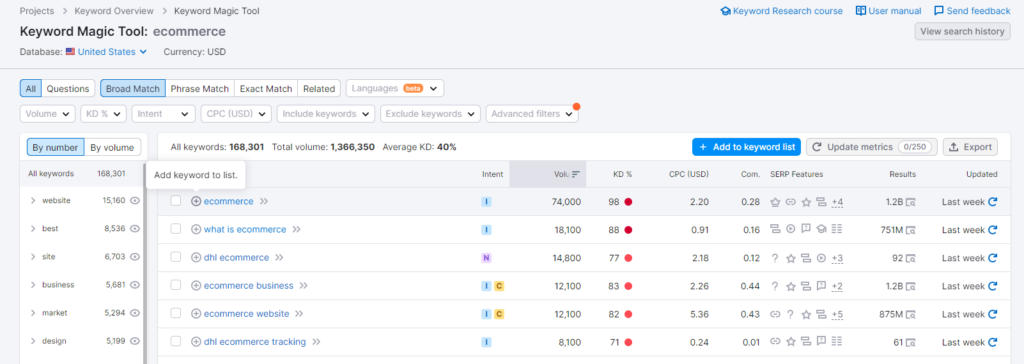
To avoid the mistake of poor keyword research, start by understanding your target audience and their search intent. Conduct thorough keyword research using tools like Google Keyword Planner, SEMrush, or Moz Keyword Explorer. Identify relevant keywords with good search volume and low competition. Use long-tail keywords to target specific customer queries. Incorporate these keywords naturally into your website’s content, product descriptions, meta tags, and URLs.
Mistake 2: Ignoring SEO Basics
SEO basics essentially refer to On-page SEO. This is the process of optimizing individual web pages to rank higher and earn more relevant traffic. If you don’t know what On-Page SEO is, I recommend checking out this article to learn more about it. Ignoring on-page SEO is a common mistake in e-commerce websites. To avoid this, optimize your website’s titles, headings, and meta descriptions with relevant keywords. Create unique and informative product descriptions that appeal to both search engines and potential customers. Use descriptive alt tags for images and ensure proper internal linking to improve user experience and search engine crawlability.
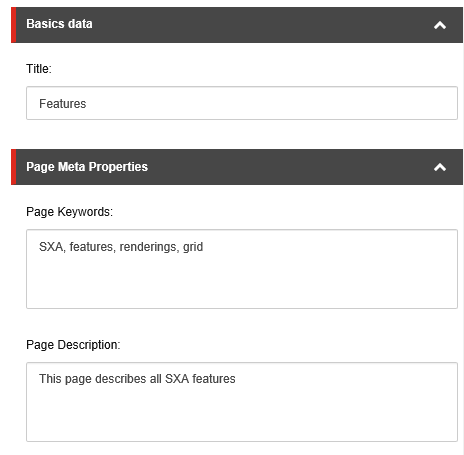
To avoid the mistake of ignoring on-page SEO, optimize each web page individually. Optimize your page titles by including relevant keywords and making them compelling. Use H1, H2, and H3 headings to structure your content and include target keywords where appropriate. Write unique and descriptive meta descriptions that entice users to click. Optimize your URLs by using keywords instead of generic strings of numbers or characters. Implement proper internal linking to improve navigation and search engine crawlability.
Mistake 3: Lack of High-Quality Content
Quality content is a cornerstone of successful SEO. Many e-commerce websites neglect this aspect and focus solely on product listings. To avoid this mistake, invest in creating valuable and engaging content that educates and entertains your target audience. Develop a blog or resources section where you can share informative articles, buying guides, or customer success stories. Incorporate relevant keywords naturally into your content to improve its visibility in search engine results. If you want to learn more about content marketing, read this article.
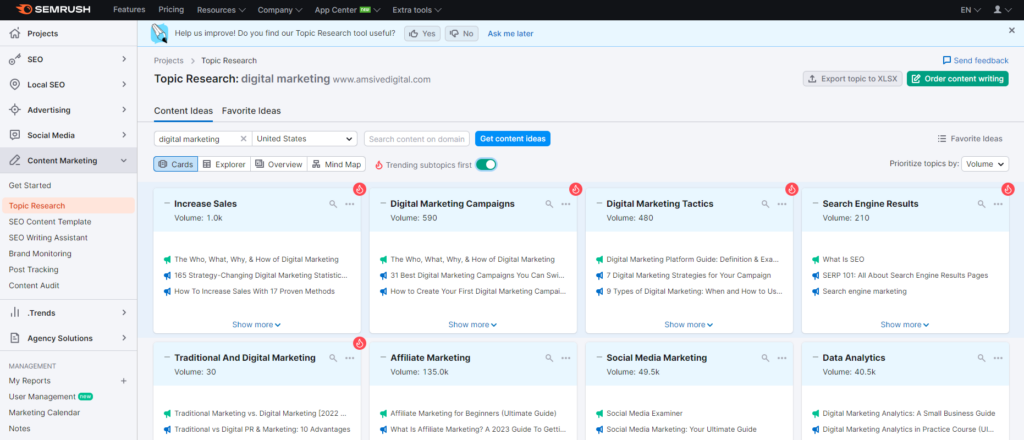
To avoid the mistake of lacking high-quality content, invest in content creation. Develop a content strategy that aligns with your target audience’s interests and needs. Create informative blog posts, buying guides, or tutorials that provide value to your readers. Use a conversational tone and engage your audience with storytelling techniques. Conduct research and provide accurate information. Again, Semrush is a great tool to do keyword research and find new content marketing ideas. Optimize your content with relevant keywords, but prioritize readability and user experience.
Mistake 4: Slow Page Load Speed
In today’s fast-paced digital world, users expect websites to load quickly. Slow page load speed is a common issue that can negatively impact your e-commerce website’s SEO and user experience. When your pages take too long to load, visitors are more likely to abandon your site and seek alternatives. To avoid this mistake, optimize your website’s performance by compressing images, minifying CSS and JavaScript files, and utilizing caching techniques. Additionally, choose a reliable hosting provider that offers fast server response times to ensure swift page loading.
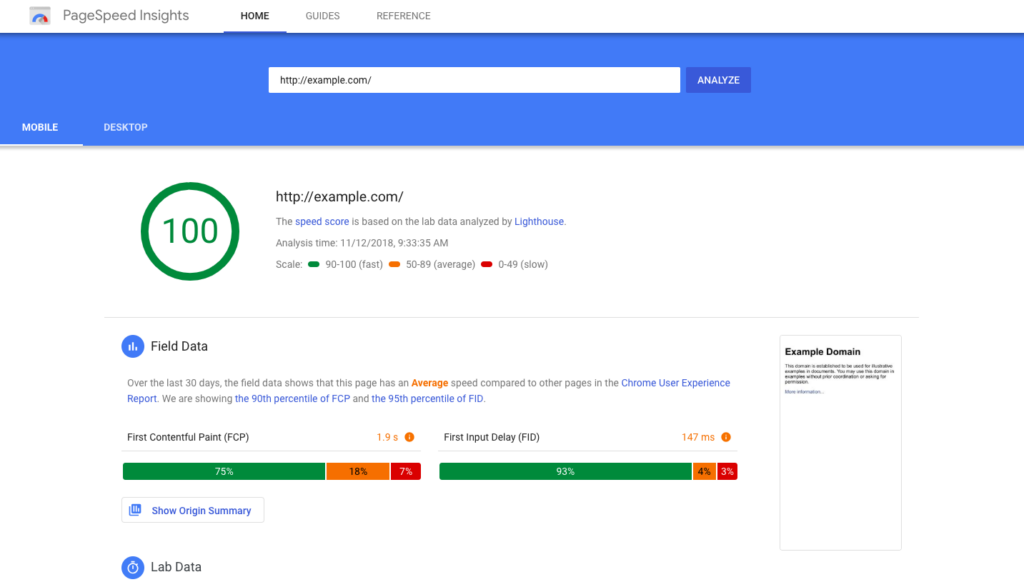
To avoid the mistake of slow page load speed, optimize your website’s performance. Use tools like Google PageSpeed Insights or GTmetrix to identify performance issues. Compress images to reduce their file sizes without compromising quality. Minify CSS and JavaScript files to reduce their size and improve loading times. Utilize browser caching to store static files locally on users’ devices. Choose a reliable hosting provider with fast servers and consider using content delivery networks (CDNs) to distribute your content globally.
Mistake 5: Inadequate Mobile Optimization
With the increasing use of smartphones and tablets, mobile optimization is no longer optional but essential for e-commerce websites. Neglecting mobile optimization can result in a poor user experience and lower search engine rankings. To avoid this mistake, implement a responsive web design that adapts seamlessly to different screen sizes. Optimize your website for mobile by using mobile-friendly navigation, larger fonts, and touch-friendly buttons. Regularly test your website’s mobile performance and make necessary improvements to enhance user experience.

To avoid the mistake of inadequate mobile optimization, prioritize mobile responsiveness. Use responsive web design to ensure your website looks and functions well on all devices. Test your website’s mobile performance regularly using tools like Google’s Mobile-Friendly Test. Optimize your website’s layout and design for mobile devices by using larger fonts, clear and concise content, and touch-friendly buttons. Simplify navigation to make it easy for mobile users to find what they need. Consider implementing accelerated mobile pages (AMP) to further enhance mobile optimization and speed.
Mistake 6: Neglecting User Experience
A great user experience is crucial for both your website visitors and search engines. Neglecting user experience can lead to high bounce rates and decreased search engine rankings. To avoid this mistake, focus on providing a seamless and intuitive user experience. Optimize your website’s navigation to make it easy for visitors to find what they are looking for. Improve the site’s layout and design for better readability and visual appeal. Ensure that your checkout process is smooth and hassle-free to reduce cart abandonment rates.

To avoid the mistake of neglecting user experience, put yourself in your customers’ shoes. Test your website’s usability by navigating through it as if you were a visitor. Identify any pain points or areas that can be improved. Optimize your website’s navigation by simplifying menu structures and providing clear categories. Ensure that your search functionality is robust and accurate. Improve page load times to reduce waiting periods. Use clear calls-to-action (CTAs) to guide users through the conversion process. Gather user feedback and make adjustments based on their suggestions.
Conclusion
Effective e-commerce SEO is essential for driving organic traffic, increasing visibility, and boosting sales. By avoiding common website mistakes in e-commerce SEO, such as poor keyword research, ignoring on-page SEO, lack of high-quality content, slow page load speed, inadequate mobile optimization, and neglecting user experience, you can position your e-commerce website for success. Take the time to conduct thorough keyword research, optimize your on-page elements, create valuable content, enhance website performance, prioritize mobile optimization, and prioritize user experience. By doing so, you can improve your website’s visibility, engage your target audience, and ultimately achieve better results in the competitive world of e-commerce.