Affiliate Marketing for Dummies
What is Affiliate Marketing?
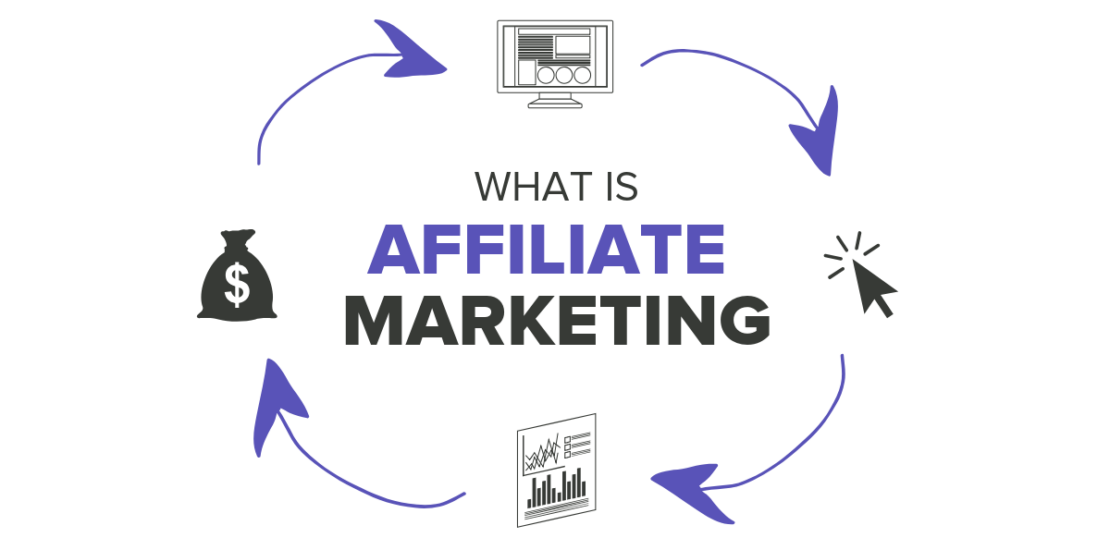
First things first, let’s demystify what affiliate marketing is. In the simplest terms, affiliate marketing is a business model where bloggers and influencers recommend services or products they like or find useful and earn a percentage of any sales that are made through their referral. It’s a straightforward and flexible sales strategy that creates multiple income streams.
Importance of Affiliate Marketing
In today’s digital age, affiliate marketing has gained significant importance for several reasons.
- Low Cost: Unlike other marketing strategies, getting into affiliate marketing doesn’t require a hefty investment. All you need is an online platform to promote your chosen products or services.
- Passive Income: Once your affiliate marketing system is established, it has the potential to provide a steady flow of income even when you’re not actively working.
- Work from Anywhere: With affiliate marketing, you can work from anywhere, all you need is a stable internet connection.
- No Customer Support: As an affiliate marketer, you don’t have to worry about customer support or product issues since the seller handles all these concerns.
- Flexible Working Hours: Affiliate marketing offers flexibility. You can choose to work part-time or full-time, depending on your schedule.
- Performance-Based Rewards: The more effort and time you put into promotion, the greater your potential earnings. This performance-based system is a great motivator for improving your marketing skills.
- Broad Audience Reach: With the internet at your disposal, you can reach a global audience, opening the door to numerous marketing opportunities.
Understanding the importance of affiliate marketing can help you see the potential it offers and why it has become a popular choice among online entrepreneurs. It offers an opportunity to earn passive income, while also allowing you the flexibility to work at your own pace and schedule.
As an industry, affiliate marketing has only continued to grow in recent years, and the money flowing in keeps on growing.

Getting Started with Affiliate Marketing
Embarking on the journey of affiliate marketing might seem daunting at first, but with the right guidance, it can be a smooth sailing. Let’s break down the process:
Choosing the Right Affiliate Program
Before you jump into promoting products, you need to pick the right affiliate program. Some popular choices are Amazon Associates, ClickBank, and Commission Junction, but countless others are available. Here are a few factors to consider:
- Relevance to Your Audience: The products you promote should be relevant to your niche and your audience’s interests. Promoting unrelated products can damage your credibility and negatively impact your conversion rates.
- Commission Structure: The program’s commission rates should be reasonable. Some offer a flat rate, while others offer a percentage of the sales. Make sure you understand the structure before you sign up.
- Program Reputation: The reputation of the program is crucial. Do your research and read reviews from other affiliates to ensure it’s reliable and pays on time.
Establishing Your Online Presence
Once you have chosen an affiliate program, you need a platform to promote the products. Here are three popular options:
- Blogging: Creating a blog is one of the most common ways to do affiliate marketing. You can write detailed product reviews and how-to guides or create content around the topic and subtly promote the products within your content.
- Social Media: Platforms like Instagram, Facebook, and YouTube are great for affiliate marketing. You can create engaging content and include your affiliate links in the posts or video descriptions. If you want to learn more about social media marketing, here is an article that will walk you through the ins and outs.
- Email Marketing: Building an email list can be a powerful tool. You can send out regular newsletters featuring products, and because these people have opted into your list, they’re more likely to be interested in what you’re promoting.
Creating Quality Content
Content is what will drive traffic to your site and convince people to click on your affiliate links. It should be engaging, informative, and provide value to your audience. It should also be SEO-optimized to improve your rankings in search engine results. SEO is a huge part of getting your content out there. If you want to learn more about SEO, read this article.
Promoting Your Affiliate Products
Promote your affiliate products within your content, but do it subtly and naturally. The goal is to inform your readers about the product and how it can benefit them, not to hard sell. Always remember to disclose your affiliate relationship to maintain trust and transparency with your audience.
With these steps, you’re well on your way to starting a successful affiliate marketing business.
Choosing the Right Products
Selecting the right products to promote is crucial in affiliate marketing. Your success hinges on promoting relevant, high-quality, and appealing products to your audience. Here are a few things to consider:
- Relevance to Your Niche: Choose products that align with your niche. If your blog or social media channel focuses on tech, for example, promoting tech gadgets would be more appropriate and effective than promoting beauty products.
- Product Quality: The products you promote reflect on you. If you recommend low-quality products, your audience may lose trust in your recommendations. It’s a good idea to try the product yourself before promoting it.
- Product Demand: Promoting products in high demand can lead to higher conversions. However, also consider the competition. Sometimes, less popular products in a niche market can bring in more sales due to less competition.
- Commission Structure: Consider the product’s commission structure. Even if a product is high-quality and relevant, if the commission is too low, it might not be worth your time and effort to promote it.
Choosing the right products to promote can make a significant difference in your success as an affiliate marketer. It’s worth taking the time to research and select products carefully.

Tracking Your Success
Being successful in affiliate marketing requires more than just setting up your platform and creating content. It’s essential to keep track of your performance to understand what’s working and what isn’t. This process involves:
- Setting Up Analytics: Tools like Google Analytics can help you track your website traffic, audience behavior, and conversion rates. These metrics provide valuable insights into how well your affiliate marketing efforts are working.
- Monitoring Affiliate Dashboard: Most affiliate programs provide a dashboard where you can see your earnings, click-through rates, and sales. Regularly checking these stats can help you understand which products your audience is responding to.
- A/B Testing: Try different strategies, such as changing the placement of your affiliate links, switching up your call-to-action, or experimenting with different content formats. Track the results to see which methods yield the best results.
- Adjusting Your Strategy: Based on your tracking and testing, make adjustments to your strategy. If a certain product isn’t selling, consider promoting a different product. If your call-to-actions aren’t effective, try a different approach.
Tracking your success isn’t a one-time thing but an ongoing process. It’s about making continuous improvements to your strategy based on data and insights.

Conclusion
Affiliate marketing is a lucrative online business model if done correctly. It requires minimal financial investment, offers flexible working hours, and allows you to work from anywhere. However, like any other business, it requires time, effort, and dedication. With the right strategies and mindset, anyone can succeed in affiliate marketing.
FAQs
- What is Affiliate Marketing? Affiliate marketing is a business model where you earn commissions by promoting other companies’ products or services.
- How much can I earn from Affiliate Marketing? The earnings from affiliate marketing vary widely. It depends on the commission structure of the product and how effectively you market it.
- Do I need a website for Affiliate Marketing? While having a website can help you promote products, it’s not a necessity. You can also use social media, email marketing, or other online platforms.
- What kind of products can I promote through Affiliate Marketing? You can promote almost any product or service as long as it’s in line with your niche and it’s something you believe in or have tried yourself.
- How do I start with Affiliate Marketing? To start with affiliate marketing, first find a product or service you’d like to promote. Then, join an affiliate program, set up your marketing platform, and start promoting!