From Insights to Impact: Data Analytics in Digital Marketing
In today’s digital landscape, businesses rely heavily on analytics to drive their marketing strategies. Analytics provide valuable insights into consumer behavior, campaign performance, and overall marketing effectiveness. By leveraging data and analytics, marketers can make informed decisions, optimize their efforts, and achieve better results. This article explores the world of analytics for digital marketing, covering its importance, various types, tools and platforms, best practices, challenges, and future trends.
Importance of Analytics
Analytics play a pivotal role in digital marketing, enabling marketers to measure, analyze, and understand the performance of their campaigns. By tracking key metrics, such as website traffic, conversions, and engagement rates, marketers can gain valuable insights into their target audience’s preferences and behaviors. This data-driven approach allows businesses to make data-backed decisions, optimize their marketing strategies, and achieve higher ROI. Analytics also helps identify trends, patterns, and opportunities, enabling marketers to tailor their campaigns for maximum impact.
Types of Analytics
Web Analytics
-Tracking website performance using tools like Google Analytics.
-Analyzing user behavior, traffic sources, and conversion rates.
-Identifying areas for improvement and optimizing the user experience.
Social Media Analytics
-Measuring the impact of social media marketing efforts.
-Tracking engagement metrics, such as likes, shares, and comments.
-Identifying the most effective social media channels and content types.
Email Marketing Analytics
-Monitoring the performance of email marketing campaigns.
-Tracking metrics like open rates, click-through rates, and conversions.
-A/B testing subject lines, content, and calls to action for optimization.
Search Engine Analytics
-Analyzing search engine rankings and organic traffic.
-Monitoring keyword performance and identifying opportunities for SEO.
-Optimizing website content to improve visibility and organic reach.
Advertising Analytics
-Measuring the effectiveness of digital advertising campaigns.
-Tracking impressions, clicks, conversions, and cost-per-acquisition.
-Optimizing ad targeting, creative elements, and bidding strategies.
Conversion Rate Optimization
-Utilizing analytics to improve conversion rates.
-Analyzing user flows, funnel drop-offs, and barriers to conversion.
-Implementing A/B testing and personalization strategies.
Data Visualization
Visualizing analytics data is crucial for effective communication and understanding. Utilizing charts, graphs, and dashboards can help marketers present complex data in a visually appealing and digestible format. Visualization tools like Tableau, Google Data Studio, and Power BI enable marketers to create interactive and dynamic visual representations of their data. These visualizations allow for easier identification of trends, patterns, and correlations, facilitating data-driven decision-making and enhancing overall marketing performance.
Tools and Platforms
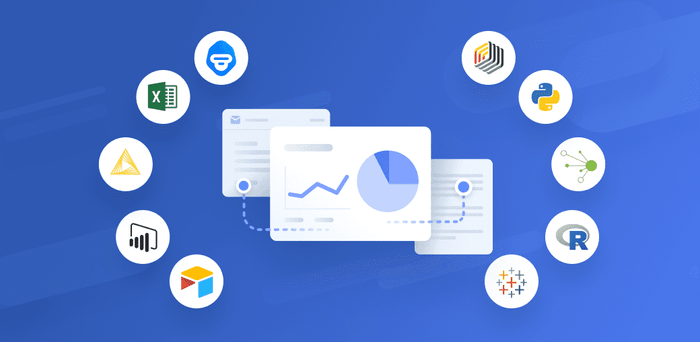
To effectively implement analytics in digital marketing, there are various tools and platforms available that offer robust features and functionalities. Here are some popular tools widely used in the industry:
-
- Google Analytics: A powerful and widely adopted web analytics tool that provides comprehensive insights into website traffic, user behavior, and conversion tracking. It offers a user-friendly interface and a range of features to analyze audience demographics, acquisition channels, and website performance.
- Google Search Console: This tool allows you to monitor and optimize your website’s presence in Google search results. It provides valuable data on search queries, organic traffic, and website indexing. By leveraging this tool, you can identify opportunities to improve your website’s visibility and performance in search engine rankings.
- Facebook Insights: If you engage in social media marketing, Facebook Insights is a valuable tool to analyze the performance of your Facebook Page. It offers in-depth analytics on audience demographics, post reach, engagement metrics, and content performance. With these insights, you can tailor your social media strategy to better resonate with your target audience.
- Hootsuite: Hootsuite is a popular social media management platform that not only helps you schedule and publish content across multiple social media channels but also provides analytics to measure the performance of your social media campaigns. It offers metrics on engagement, follower growth, and post reach, allowing you to assess the effectiveness of your social media efforts.
- MailChimp: As one of the leading email marketing platforms, MailChimp offers robust analytics features to track the performance of your email campaigns. It provides data on open rates, click-through rates, subscriber behavior, and conversion tracking. By analyzing these metrics, you can optimize your email marketing strategy and enhance engagement with your audience.
- SEMrush: SEMrush is a comprehensive SEO and digital marketing tool that offers a wide range of analytics features. It provides insights into organic and paid search performance, competitor analysis, backlink monitoring, and social media metrics. With SEMrush, you can identify opportunities for SEO improvement, track keyword rankings, and benchmark your digital marketing efforts against your competitors.
- Adobe Analytics: Adobe Analytics is a robust analytics platform that offers advanced features for tracking and analyzing customer behavior across various digital channels. It provides real-time data tracking, customer segmentation, and predictive analytics capabilities. Adobe Analytics allows businesses to gain deep insights into user interactions, optimize marketing campaigns, and deliver personalized experiences.
- Hotjar: Hotjar is a user behavior analytics tool that offers heatmaps, session recordings, and surveys to understand how users interact with your website. It helps you visualize user behavior, identify usability issues, and optimize your website for better conversion rates. With Hotjar, you can make data-backed decisions to improve user experience and increase website performance.
These are just a few examples of popular tools available for analytics in digital marketing. Depending on your specific needs and goals, you can explore these tools and choose the ones that align with your requirements to enhance your analytics capabilities and drive better marketing results.
Best Practices
To make the most of analytics in digital marketing, consider the following best practices:
- Set clear goals: Define specific objectives and key performance indicators (KPIs) that align with your overall marketing strategy.
- Track relevant metrics: Focus on metrics that directly impact your goals, such as conversion rates, engagement metrics, and ROI.
- Regularly analyze data: Review and analyze data consistently to identify trends, patterns, and areas for optimization.
- Implement A/B testing: Test different variations of your campaigns, content, and design elements to determine what resonates best with your audience.
- Stay updated with industry trends: Keep an eye on emerging technologies, strategies, and tools to stay ahead of the competition and leverage new opportunities.
Challenges and Limitations
While analytics offer significant benefits, they come with certain challenges and limitations:
- Data accuracy and quality: Inaccurate or incomplete data can lead to misleading insights. Ensure data accuracy by implementing proper tracking mechanisms and data validation processes.
- Privacy and compliance: With increasing privacy regulations, marketers must ensure compliance with data protection laws and obtain appropriate consent for data collection and analysis.
- Data overload: Analyzing vast amounts of data can be overwhelming. Focus on relevant metrics and use visualization techniques to simplify complex information.
- Skill and knowledge gaps: Analytics requires expertise in data interpretation, statistical analysis, and tools usage. Invest in training and upskilling your team to maximize the value of analytics.
Future Trends
The field of analytics for digital marketing is continuously evolving, and one of the most significant trends shaping its future is the integration of artificial intelligence (AI). AI-powered analytics is revolutionizing the way marketers analyze data, make predictions, and optimize their marketing strategies. Here’s how AI is transforming the landscape of digital marketing analytics:
- Advanced Data Analysis: AI algorithms can process vast amounts of data at incredible speed, uncovering patterns, trends, and correlations that may not be readily apparent to human analysts. By leveraging AI-powered analytics, marketers can gain deeper insights from complex datasets and make more informed decisions.
- Predictive Analytics: AI enables predictive modeling by analyzing historical data and identifying patterns that can be used to forecast future outcomes. This helps marketers anticipate customer behavior, personalize campaigns, and optimize marketing strategies for better results. With predictive analytics, businesses can make proactive adjustments to their marketing efforts to maximize ROI.
- Natural Language Processing (NLP): AI-powered NLP technologies enable marketers to extract valuable insights from unstructured data sources, such as social media comments, customer reviews, and support tickets. By understanding and analyzing customer sentiments, opinions, and preferences, marketers can tailor their messaging and campaigns to better resonate with their target audience.
- Chatbots and Virtual Assistants: AI-driven chatbots and virtual assistants are becoming increasingly prevalent in digital marketing. These intelligent systems can engage with customers in real-time, answering queries, providing personalized recommendations, and even assisting with purchases. Through natural language understanding and machine learning, chatbots gather valuable data that can be analyzed to identify customer trends and preferences.
- Automated Personalization: AI-powered analytics can segment audiences based on their behavior, preferences, and purchase history, allowing marketers to deliver highly personalized experiences at scale. By automatically tailoring content, recommendations, and offers to individual customers, businesses can enhance customer satisfaction and drive conversion rates.
- Optimized Ad Campaigns: AI algorithms can analyze vast amounts of data to optimize digital advertising campaigns. They can automatically adjust bidding strategies, target the most relevant audiences, and allocate budgets more effectively. AI-powered ad platforms help marketers achieve better ad performance and maximize their return on ad spend.
- Image and Video Recognition: AI technology enables the analysis and recognition of images and videos, providing marketers with valuable insights into visual content performance. By understanding which visual elements resonate with their audience, marketers can optimize their visual assets to drive engagement and conversion.
The integration of AI into analytics for digital marketing is expected to revolutionize the way businesses operate, providing them with unparalleled insights and opportunities. As AI continues to evolve, marketers will increasingly rely on AI-powered analytics to stay competitive in a data-driven world.
Conclusion
In today’s data-driven world, analytics has become an essential component of successful digital marketing strategies. By leveraging analytics tools and platforms, businesses can gain valuable insights into their target audience, optimize campaigns, and drive better results. From web analytics to social media, email marketing, and advertising analytics, each type offers unique opportunities to understand consumer behavior, measure performance, and make data-backed decisions. As the digital marketing landscape continues to evolve, embracing analytics and staying up to date with emerging trends, such as AI-powered analytics, will be crucial for businesses to stay competitive and achieve their marketing goals.